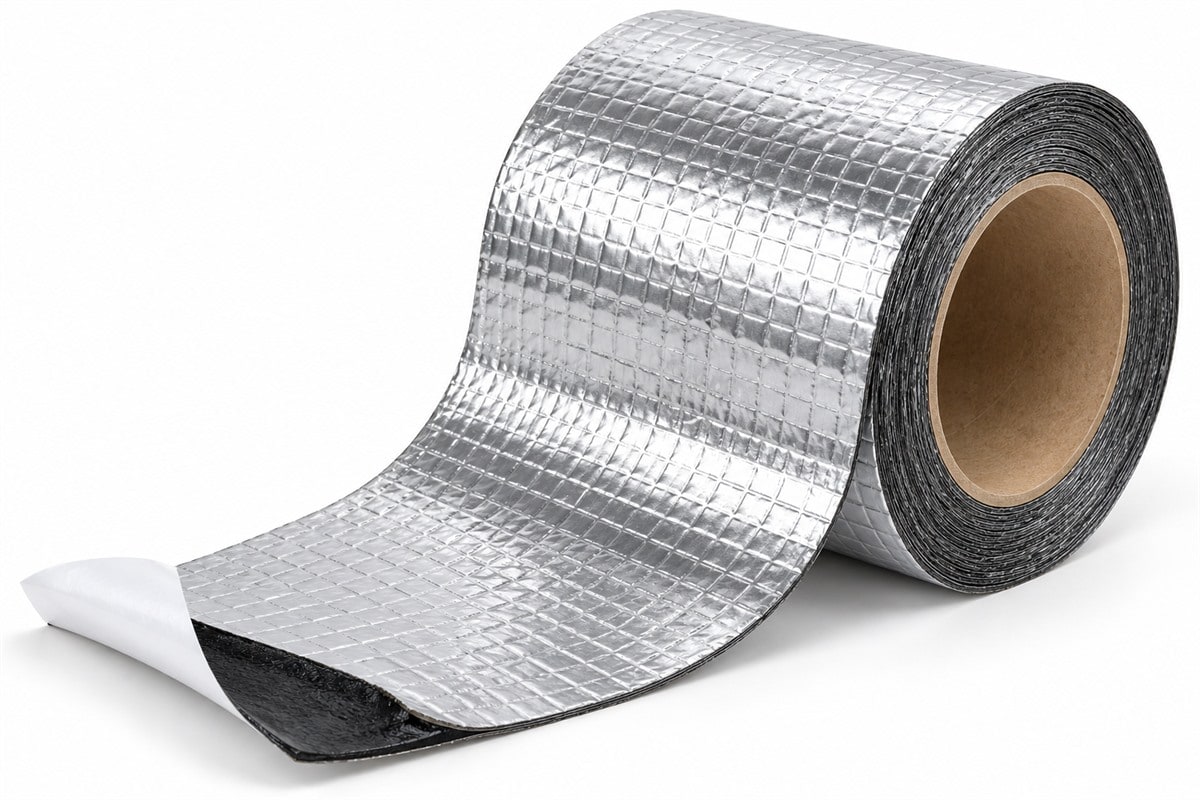


Aluminum Foil Tape vs Duct Tape
Aluminum foil tape is a candidate for compatible insulation seams and specified HVAC closures; general cloth duct tape suits many maintenance tasks. Choose by the joint, adhesive and documented grade. A silver finish or the word duct does not establish suitability for an air system.
In this guide
Understand the backing and the adhesive
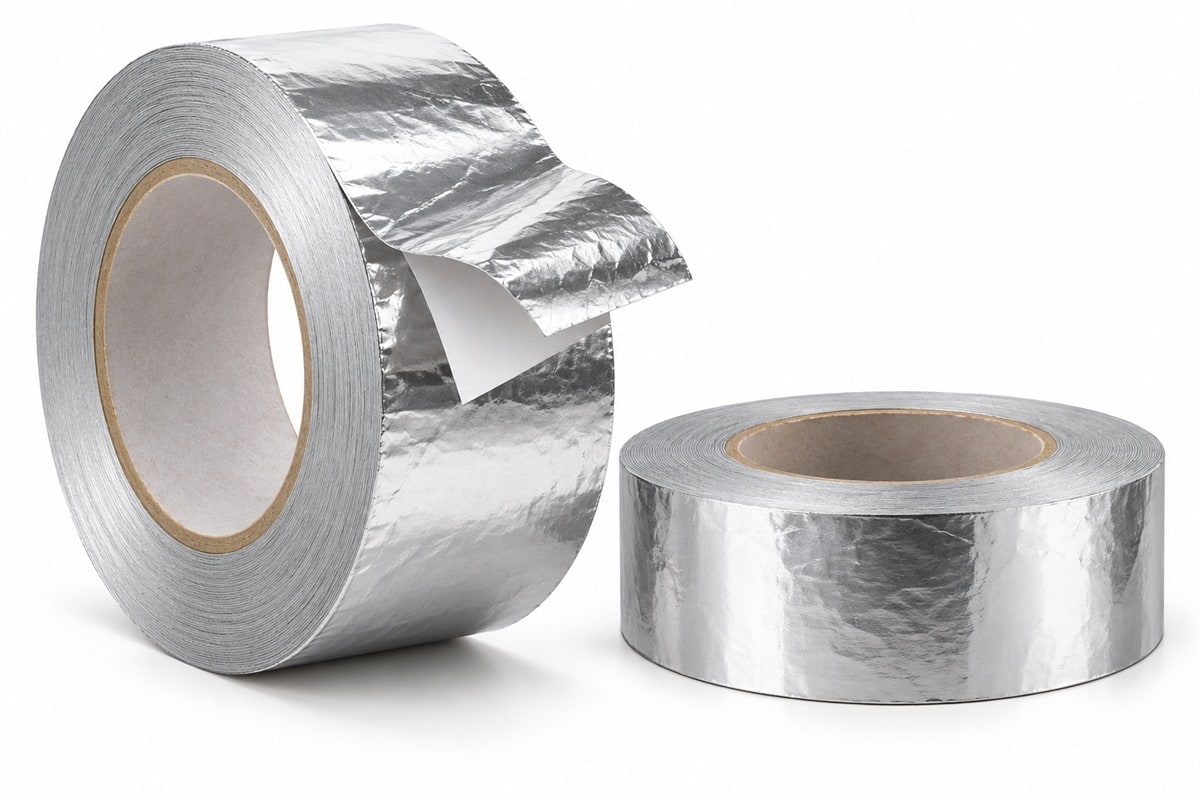
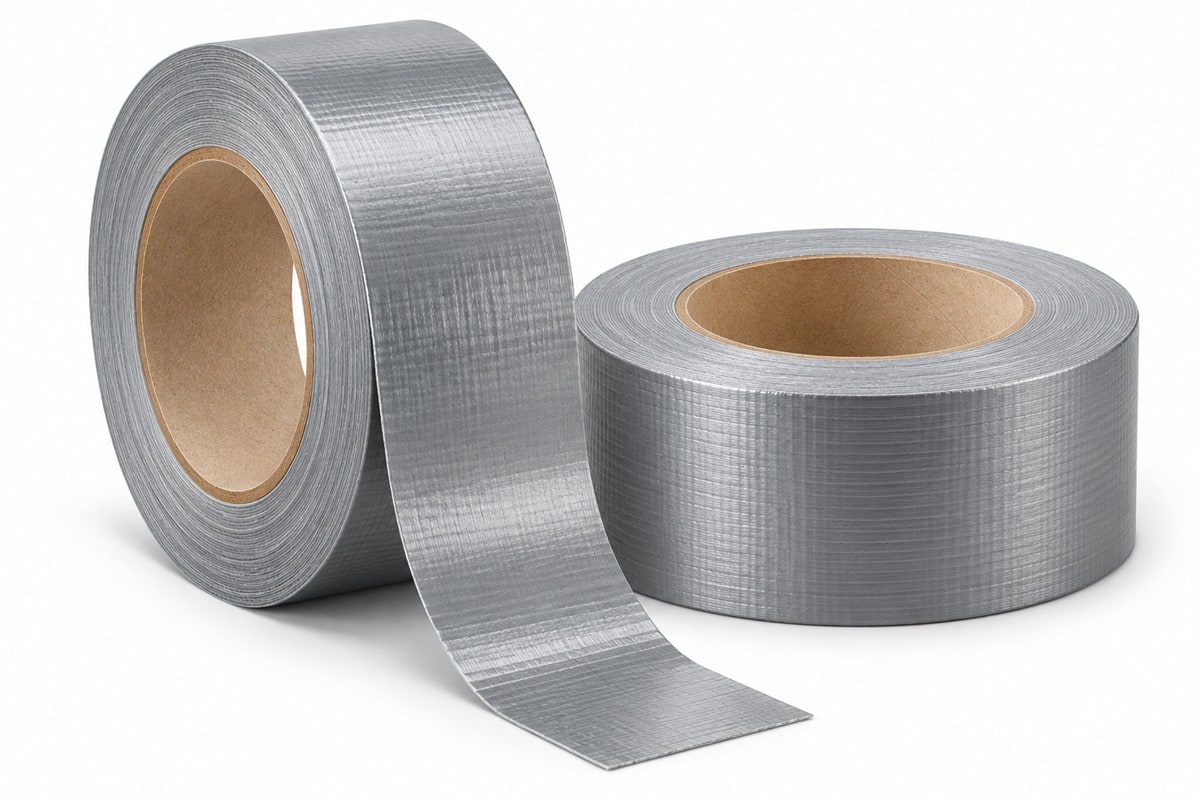
Foil tape uses an aluminum backing with an adhesive layer, often protected by a release liner. Cloth duct tape commonly combines a fabric carrier, a polyethylene outer layer and a rubber-based adhesive. Constructions vary: request the proposed grade's data sheet instead of identifying it by appearance.
The backing affects handling, conformity and resistance to tearing. The adhesive establishes contact with the substrate and has its own limitations. A metallic backing does not establish the complete tape's heat resistance, and a tough cloth carrier does not prove durable adhesion to your coating. Evaluate the construction as a whole.
Choose a candidate for the actual task
Start with the required function: closing an insulation facing seam, sealing a specified duct connection, or making a temporary maintenance wrap. This comparison narrows the candidates; it does not authorize substitution within an existing system.
| Construction | Possible use | Check before selection |
|---|---|---|
| Aluminum foil with a compatible adhesive | Insulation facing seams; HVAC closures when the grade is specified | Facing compatibility, closure documentation and application conditions |
| General cloth and film duct tape | Temporary wrapping, holding and maintenance patches | Surface compatibility, exposure, removal needs and intended duration |
| Documented HVAC cloth closure grade | The flexible duct connections covered by its documentation | Exact grade, applicable listing and duct manufacturer's installation instructions |
Check the HVAC system documentation
Identify the duct material and the part being closed. A facing seam and a duct connection are different details. Match the tape to the system manufacturer's instructions, project requirements and any required listing. Foil construction alone is insufficient; some specified and listed cloth grades also exist.
The referenced manufacturer documents illustrate this distinction between product grades. Their listings and ratings apply to those named products, not to Maiwenluo's categories. Obtain current documentation for the proposed supply and have substitutions reviewed through the project's approval process before installation.
Separate application conditions from service conditions
Application conditions describe the tape, substrate and surroundings when the bond is made. Service conditions describe later exposure. A service temperature range is not permission to apply tape at those same temperatures. Record the surface condition, not just the room temperature, and follow the selected grade's preparation instructions.
Clean and dry the bonding area as specified; resolve contamination or condensation before proceeding. Record later heat cycles, humidity, sunlight, cleaning chemicals and joint movement for supplier review. Use the instructed pressure and overlap, and avoid wrinkles or unsupported gaps that interrupt contact. Removal requirements also belong in the selection brief.
Run a controlled comparison on representative materials
Agree on acceptance criteria before opening samples. Use spare material or an authorized trial assembly matching the actual coating, facing and joint geometry. Compare identified grades under the same documented preparation and application method wherever their instructions permit.
Inspection records visible defects and handling. Validation requires evidence that the intended assembly meets agreed requirements under representative conditions. Initial tack or a neat-looking seam establishes neither long-term sealing nor system approval. Keep operational release with the responsible project team.
- Label the grade and sample batch; retain its data sheet.
- Record substrate, cleaning method, surface conditions, overlap and applied pressure method.
- Inspect initial contact, wrinkles, lifted edges and damage to the facing.
- Recheck at agreed intervals after representative exposure; assess residue if removal matters.
- Arrange any required assembly or leakage testing and record acceptance separately from visual inspection.
Avoid these purchasing and installation mistakes
A useful comparison ends with a documented candidate and an evaluation plan. Stop and resolve missing information when the proposed roll cannot be traced to the requirements.
- Choosing by silver color, thickness or the generic duct tape name.
- Assuming every foil tape is an approved HVAC closure, or every cloth tape is excluded.
- Covering wet, dusty or failing material without addressing the underlying condition.
- Treating a successful hand-peel check as validation, or substituting a roll without reviewing its documentation.
Frequently asked questions
Is aluminum foil tape always better than duct tape?
No. A compatible foil grade may suit an insulation seam, while a cloth grade may be easier to handle for a maintenance wrap. Compare the required function, actual surface and exposure rather than ranking entire tape families.
Can cloth duct tape be used for HVAC?
Some specified cloth closure grades have documented HVAC uses and listings. General maintenance tape is not interchangeable with them. Verify the exact product, duct system and installation instructions; the tape's name or backing cannot establish approval.
Does a foil surface make the joint waterproof?
No. Joint performance also depends on the adhesive, substrate, overlap and continuity of contact. Request evidence for the intended exposure and assess the installed assembly. The appearance of the backing cannot demonstrate a watertight or vapor-tight joint.
Request a quote for the documented application
Contact Maiwenluo to discuss your application, specifications and sample requirements. Send an application brief so the proposed grade and supporting documents can be reviewed. Manufacturer references explain general selection principles; they do not substantiate Maiwenluo product performance.
- Duct or insulation system, substrate finish and joint drawing or photographs.
- Installation conditions, service exposure, intended duration and removal needs.
- Required closure documents, acceptance criteria and trial arrangements.
- Roll width, length, quantity, packing preferences and delivery destination.
References
Technical references describe general selection principles and the cited manufacturers' products, not verified specifications for a Maiwenluo order.