

Double-Sided Tape
Consider for component attachment when the joint needs adhesive on both faces. Compare carrier and adhesive options against the identified substrates and production handling requirements.
Evaluate tapes for component assembly, uneven contact surfaces, and temporary maintenance by specifying the joint, production sequence, and service conditions before comparing samples or ordering production rolls.

Send a joint drawing and describe the task when selecting tape for industrial assembly or maintenance. A nameplate bond, a joint with uneven surfaces, and a protective-cover patch each need different tape constructions and acceptance checks.
Maiwenluo offers industrial tapes and helps you discuss product specifications and application requirements. Share the substrate grades, finish, assembly method, and inspection criteria so the proposed options can be evaluated on representative parts. Product family names alone do not establish suitability for a production process.
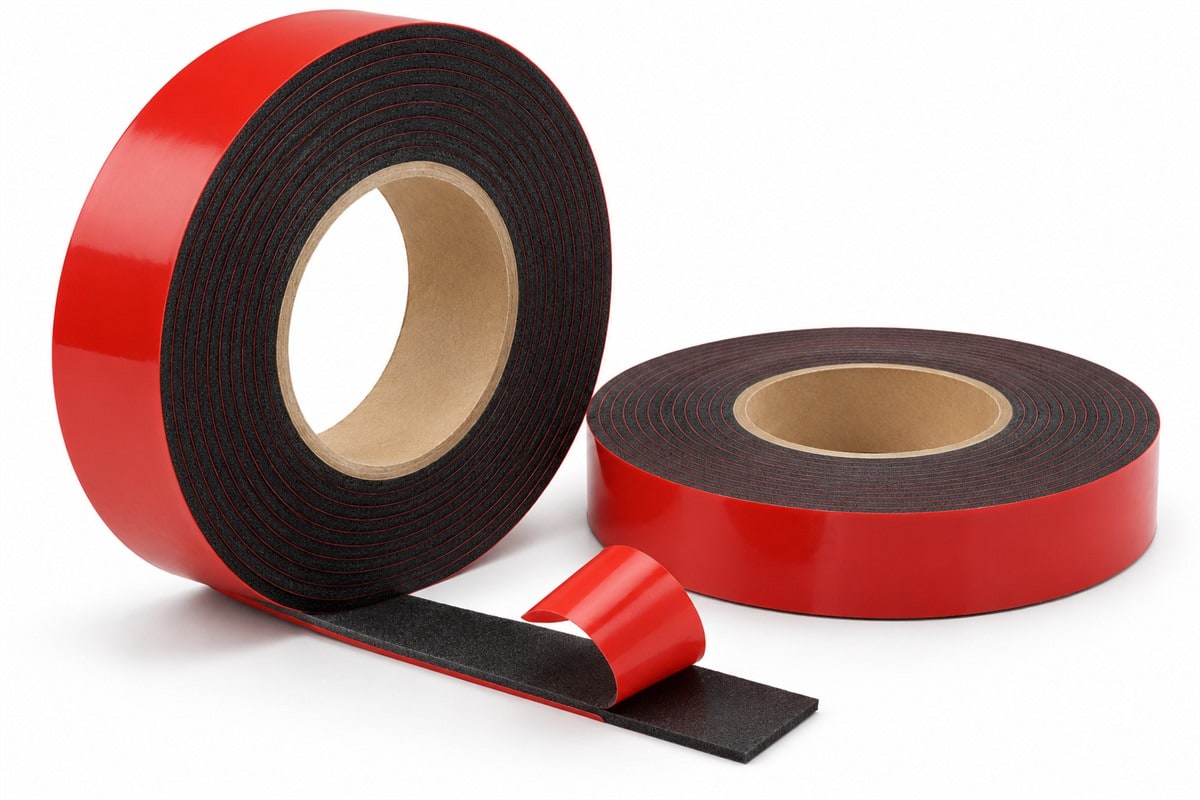
Evaluate double sided tape for nameplates, decorative facings, or other nonstructural components with adequate contact area. Record how operators locate the part, remove the liner, and apply pressure. Test the finished assembly after the specified dwell period and expected handling, rather than judging the bond only by an immediate hand pull.
PE foam double sided tape is a candidate where minor surface variation prevents continuous contact with a thinner tape. Measure the gap and examine contact across the joint. Select thickness through trials that include compression and part alignment; foam is not a remedy for an unsupported span or an incorrectly fitted component.
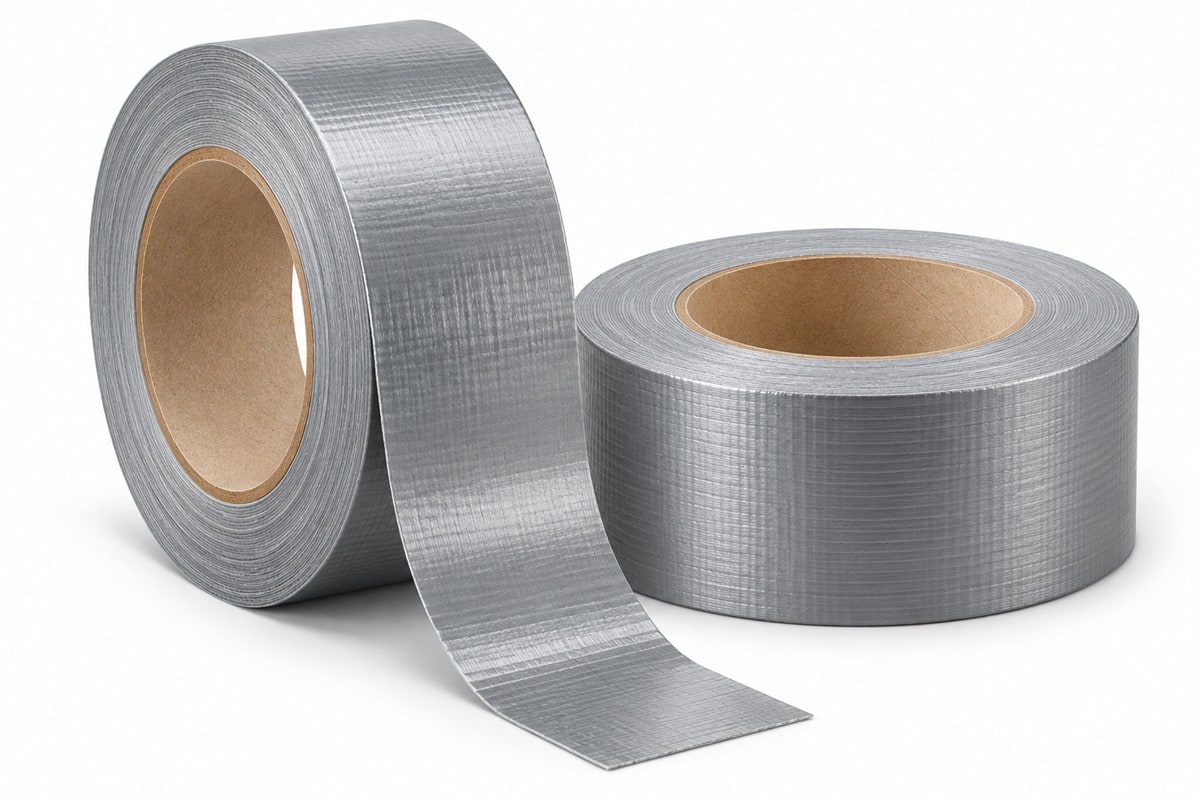
Cloth duct tape can be evaluated for joining protective sheeting or patching an accessible, noncritical cover during maintenance. Define an inspection interval and replacement point. Oil, dust, cleaning chemicals, and repeated movement can change adhesion. Keep temporary patches outside pressure containment, electrical insulation, guarding, and other safety functions.
Build the comparison around the actual assembly. Use representative production surfaces and repeat the planned cleaning, application pressure, dwell time, and exposure sequence for each candidate tape.
| Task | Contact materials | Candidate tape | Conditions to confirm |
|---|---|---|---|
| Component and facing attachment | Identified metal, plastic, or coated panel surfaces | Double sided tape | Check joint area, surface preparation, liner handling, edge lifting, and bond behavior after service exposure. |
| Minor contact gap accommodation | Mating parts with measured surface variation | PE foam double sided tape | Assess compressed thickness, contact continuity, alignment, sustained stress, and temperature or moisture exposure. |
| Temporary cover and sheet repair | Compatible protective covers and flexible sheeting | Duct tape | Confirm surface cleanliness, chemical contact, flexing, inspection access, and a planned replacement interval. |
These categories are starting points, not a performance guarantee. Maiwenluo offers industrial tapes and helps you discuss product specifications and application requirements. Confirm the exact specification and validate samples in your application before ordering.
Consider for component attachment when the joint needs adhesive on both faces. Compare carrier and adhesive options against the identified substrates and production handling requirements.
Consider when a foam carrier may improve contact over minor irregularities. Specify thickness and evaluate compression in the assembly; extra thickness does not automatically produce a better joint.
Consider for general maintenance patches that remain accessible for inspection and removal. Confirm the selected grade's limits instead of extending a temporary repair into a permanent equipment modification.
Not necessarily. Initial tack describes first contact, while the assembly must also tolerate its sustained stresses and environment. Evaluate the chosen grade after the agreed dwell and exposure sequence, with clear acceptance criteria.
No. Check actual gap variation and the contact obtained under assembly pressure. Excessive compression or poor support can leave an unsuitable joint. Use a trial assembly and the selected product's technical data to decide.
Only after the joint has been assessed and validated for that purpose. Load direction, contact area, materials, aging, and consequences of failure matter. Retain the specified fastening method until an alternative is approved by the responsible engineer.
For a useful quotation, send a joint sketch or part photographs alongside the purchasing requirement. Contact Maiwenluo to discuss your application, specifications and sample requirements.