


Overview
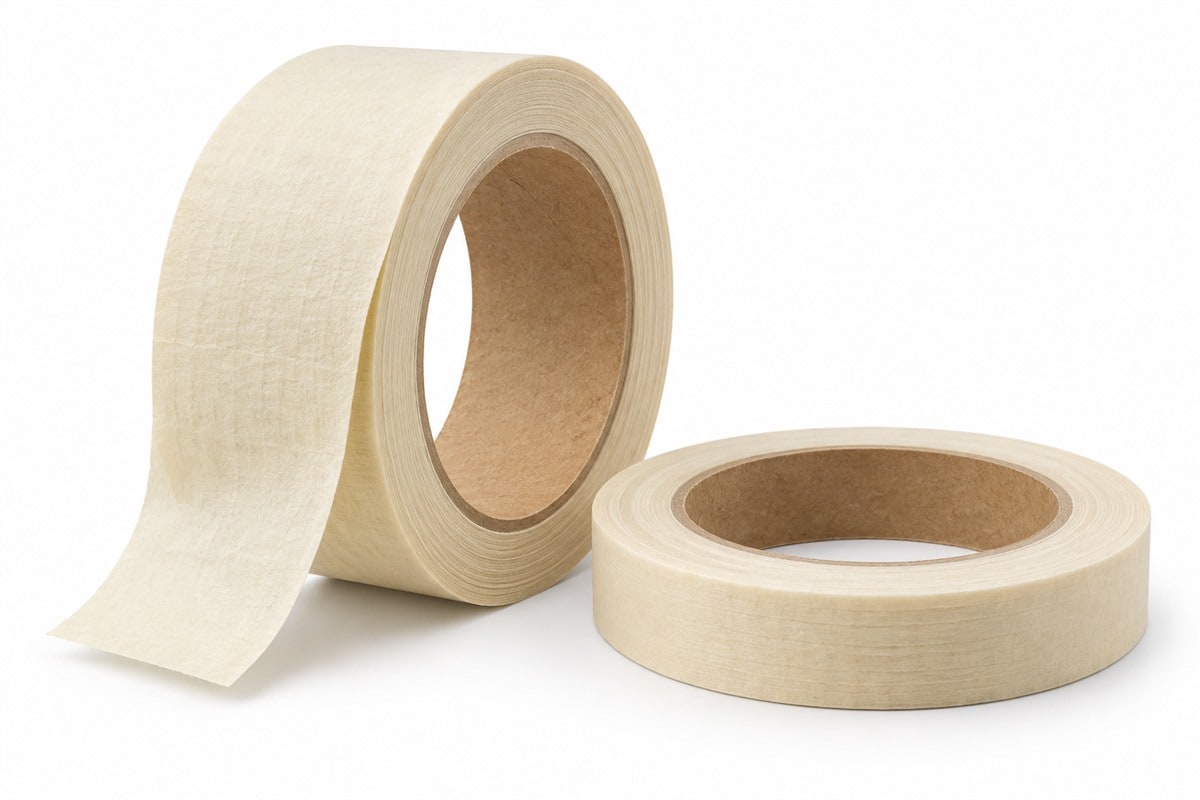
A masking tape must hold an edge without damaging the finish beneath it. Paper-backed grades are commonly considered for general painting, while more demanding curves, bake cycles or delicate surfaces can require a different construction. The tape color alone does not identify its performance.
For a useful trial, reproduce the cleaning method, paint system, dwell time and removal stage used on the job. Evaluate paint bleed and edge definition alongside adhesive residue or lifting of the underlying coating. Large areas usually need masking paper or film as well as tape.
Typical Applications
Painting and decorating
Define edges around trim, panels and adjacent finishes. Sensitive paintwork needs a surface trial before a tape is approved for a full installation or project.
Vehicle refinishing
Mask selected edges during preparation and painting. Confirm curve requirements, overspray exposure and the actual drying cycle rather than assuming every masking grade suits automotive work.
Temporary surface coverage
Hold masking sheets or protect selected areas during assembly and finishing. State how long the tape will remain attached and whether sunlight exposure is expected.
Selection Guide
Match the finish
Identify bare metal, glass, plastic or a painted surface, including coating age. The required hold must be balanced against the risk of marking or lifting the finish.
Describe heat and dwell time
Provide the drying temperature, exposure duration and removal timing. Heated coating processes may require a dedicated high-temperature tape instead of a general painting grade.
Check the masking edge
Trial the required width around corners and along straight lines. Inspect for edge lift, paint penetration and tearing during removal using the intended application method.
Purchase specifications and acceptance
| Confirm | Include in your enquiry |
|---|---|
| Dimensions and tolerances | Width (mm), roll length (m), thickness (µm or mm), core size and tolerances. State whether thickness means the backing or the complete tape, and whether the liner is included. |
| Tape construction | Required backing, adhesive type, colour and liner, where applicable. Include the materials to be bonded and a sample or drawing when available. |
| Performance and acceptance | Required properties and acceptance limits, with the test method, substrate, application conditions, dwell time and service conditions. Compare results only under equivalent test conditions. |
| Packing and delivery | Order quantity, rolls per carton, labelling, destination and required documents. Confirm the agreed specification, sample and delivery terms before ordering. |
Dimensions and performance depend on the selected grade. Confirm the specification and acceptance criteria in the quotation, sample approval and order documents.
Frequently Asked Questions
Will masking tape always remove without residue?
No. Removal depends on the grade, surface condition, dwell time and exposure. Define a removal window and test it on the actual finish, especially for freshly painted or delicate surfaces.
Can general masking tape be used for powder coating?
Do not assume so. Powder coating adds a heat cycle that can affect the backing and adhesive. Specify the complete process and evaluate a high-temperature masking construction against it.
How do I choose masking tape for curved edges?
Consider how tightly the backing must follow the curve without wrinkling or lifting. A straight-edge painting tape and a specialist fine-line tape serve different needs. A sample panel helps define the requirement.
Request a Quote
Describe your painting or protection process for a masking tape proposal. Check samples against your actual finish and removal conditions before approval.
- Surface material, coating system and masking duration
- Drying cycle, curve requirements and removal criteria
- Roll dimensions, quantity, packaging and destination
Specifications, availability and commercial terms are confirmed for each order.