

Masking Tape
Start here for temporary paint boundaries and holding masking paper. Choose the grade around the finish, coating sequence, and required removal window.
Select tape for automotive masking and bonding around the paint system, heating cycle, removal window, and trim surfaces. Compare candidate grades before committing a refinishing or assembly job.

For automotive refinishing, masking tape must hold the paint boundary and masking materials through preparation, spraying, and any heating stage, then come away as planned. The backing needs to follow the panel shape without lifting or leaving an unwanted edge. Specify the existing paint condition and removal interval alongside width and roll length.
For trim mounting, check how the two surfaces will stay joined after installation. Maiwenluo offers industrial tapes and helps you discuss product specifications and application requirements. Use the categories below to request samples, then evaluate the selected grade on representative panels and parts. A category name alone does not establish vehicle compatibility or production approval.
For a door or fender repair, assess how masking tape follows curves and holds masking paper without wrinkling at the paint boundary. Apply it to a clean, dry, compatible finish. Trial the planned coating sequence and inspect for paint bleed, edge lifting, and marks after removal.
When a masked part enters a heated process, provide the temperature profile, exposure duration, and number of cycles. Compare a suitable high-temperature grade against the actual coating and substrate. Check the mask after heating and removal; a peak temperature description does not establish performance throughout the whole cycle.
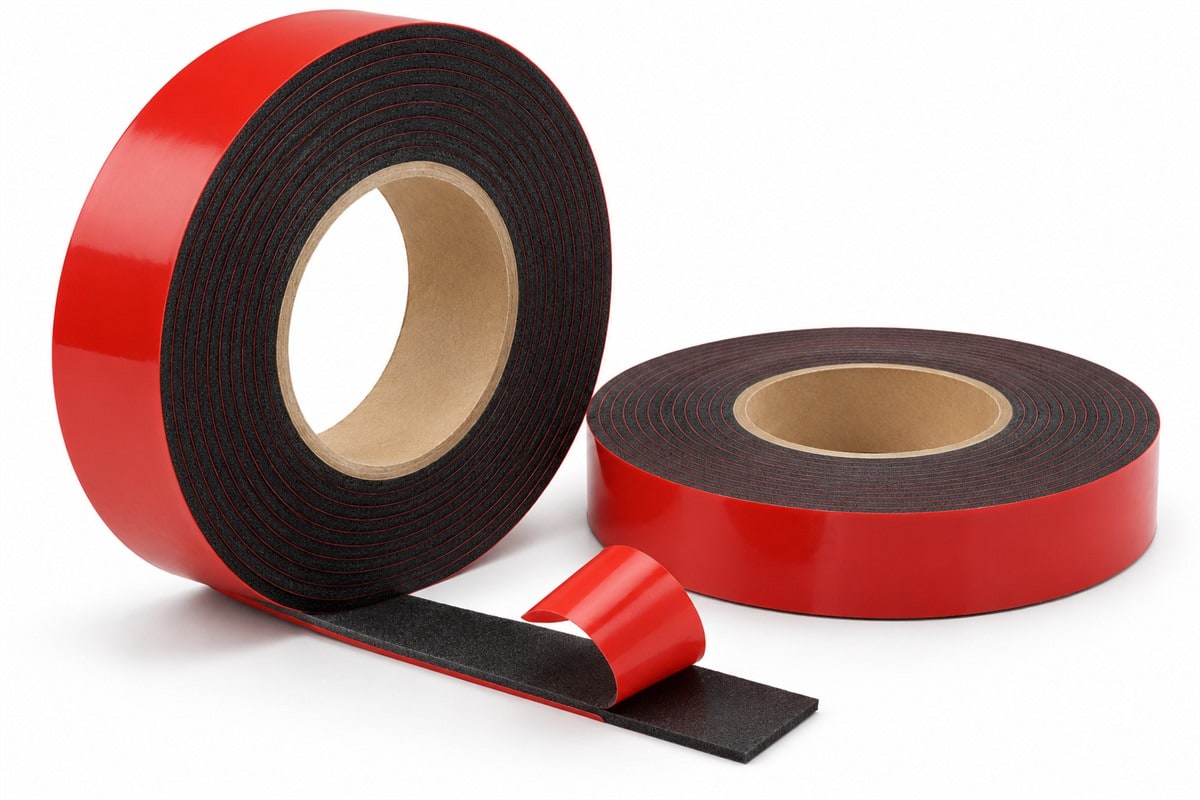
For a decorative strip or lightweight interior trim, evaluate PE foam double-sided tape against both mating surfaces and the available bond area. Account for curvature, thickness, installation pressure, and service conditions. This is a candidate for nonstructural attachment, subject to testing, not an approval for safety-critical vehicle parts.
Separate temporary masking from permanent attachment before comparing samples. Record the paint condition and cleaning method, then reproduce the intended application, dwell, heating, and removal sequence. Judge samples against written acceptance criteria for appearance and attachment.
| Task | Contact materials | Candidate tape | Conditions to confirm |
|---|---|---|---|
| Paint edge and paper holding | Compatible cured finishes and masking paper | Masking tape selected for refinishing | Conformability, paint bleed, edge definition, finish marking, and planned removal timing |
| Masking during heated processing | Specified coated metal or plastic parts | Process-matched high-temperature tape | Temperature and time together, repeated cycles, coating compatibility, adhesive transfer, and backing integrity |
| Nonstructural trim attachment | Specified trim and painted or plastic mounting surfaces | PE foam double-sided tape | Bond area, surface preparation, fit, service exposure, and retention after conditioning |
These categories are starting points, not a performance guarantee. Maiwenluo offers industrial tapes and helps you discuss product specifications and application requirements. Confirm the exact specification and validate samples in your application before ordering.
Start here for temporary paint boundaries and holding masking paper. Choose the grade around the finish, coating sequence, and required removal window.
Compare this category when heating is part of the masking process. Request grade-specific data and confirm suitability with a complete cycle trial.
Consider this construction for nonstructural trim where a compliant bond line may help accommodate surface variation. Confirm fit and retention on the assembled parts.
Follow the selected tape and coating instructions. Validate the removal interval, panel temperature, peel direction, and speed together. Inspect a representative test area first, especially on repaired, aged, or recently coated finishes; there is no single removal schedule for every paint system.
No. Backing, adhesive, substrate, exposure duration, and repeated heating all matter. Give the supplier your complete process profile and check the proposed grade's technical information. Approval should follow a trial that includes removal and inspection of the underlying finish.
Only where the part design permits adhesive attachment and the chosen construction passes the required evaluation. Define the loads, environment, and consequences of detachment. Retain specified mechanical fasteners for structural or safety-critical assemblies unless the responsible engineer approves a qualified alternative.
Send a process description with your inquiry so Maiwenluo can discuss suitable samples and product details. Include these items: