

Masking Tape
A starting point for painting boundaries and temporary masking. Select the grade around the coating and removal schedule, rather than choosing by tape color.
Choose tape for painting, light accessory mounting, temporary carpet fixing, and small household repairs by matching the adhesive to the finish and planning how it will be removed.

For home installation and repair, check the surface before choosing tape. Painted plaster, glazed tiles, sealed timber, and carpet backing respond differently to an adhesive. A strong initial grip does not establish clean removal or suitability for a lasting attachment.
Maiwenluo offers industrial tapes and helps you discuss product specifications and application requirements. Describe the task, contact materials, and expected service period so samples can be compared against the same practical requirements before an order is specified.
For interior painting, masking tape defines a boundary around skirting, frames, or trim. Check that the existing coating is sound and sufficiently cured. Try the proposed tape on a discreet area, press the edge evenly, and follow the selected grade's removal instructions; leaving it longer can change the result.
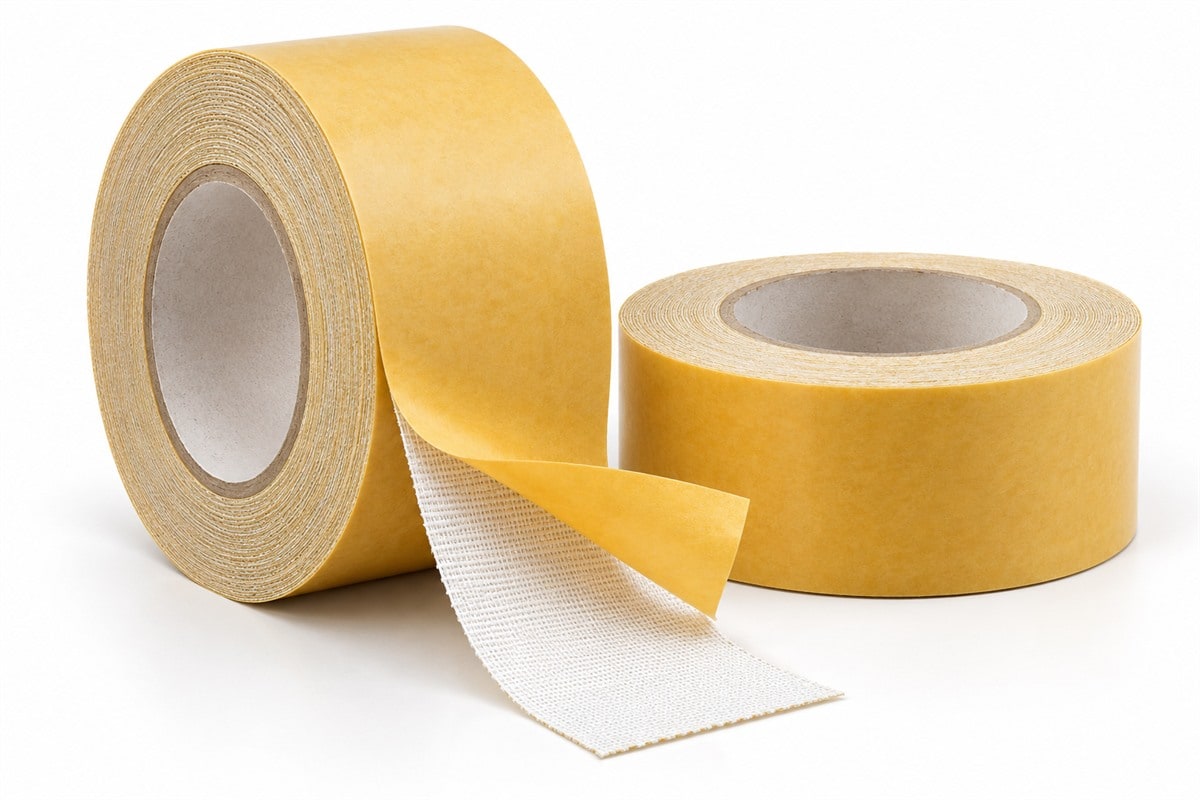
Double sided tape can be evaluated for light decorative accessories on compatible, smooth surfaces. Double sided cloth tape is a separate candidate for temporary carpet fixing. Test both the floor finish and carpet backing, including removal after the intended use period. Keep edges flat and check for movement before opening the area to foot traffic.
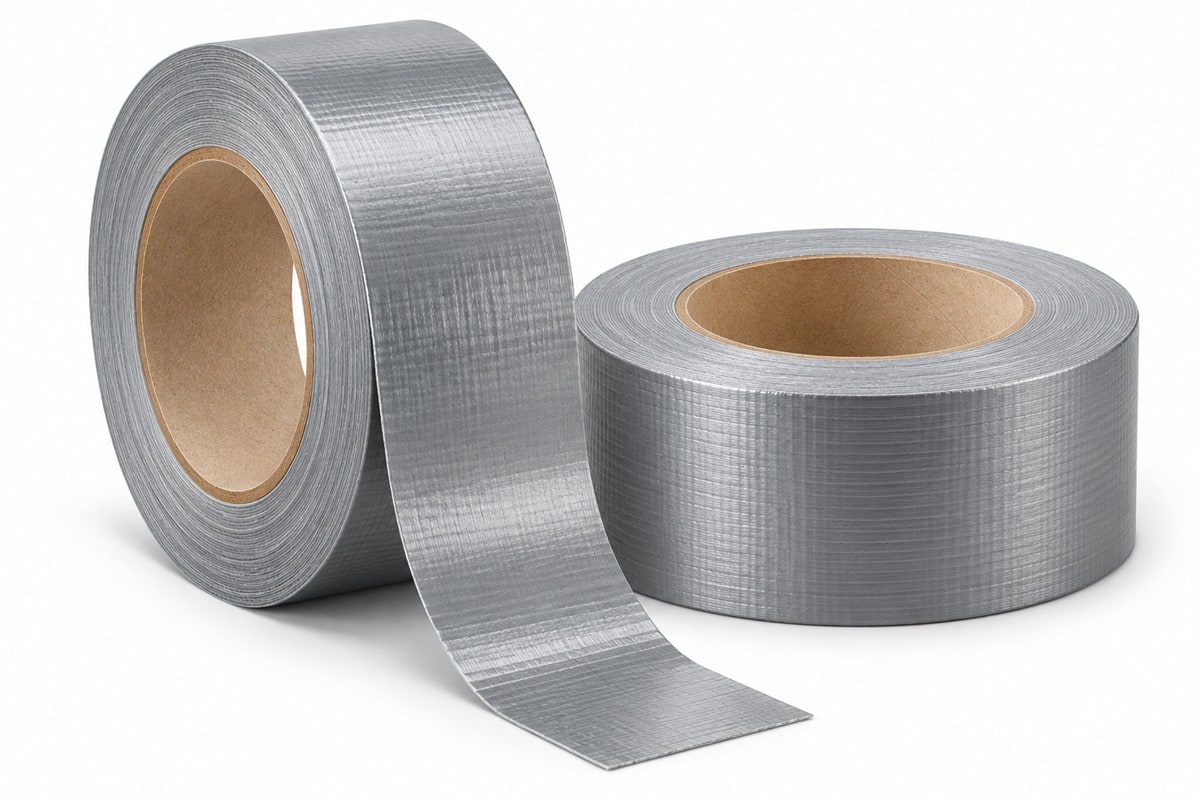
Duct tape can hold a torn dust cover together or secure a loose protective sheet while a replacement is arranged. Apply it to a clean, dry contact area and inspect the patch during use. Keep these repairs away from live wiring, hot equipment, pressurized leaks, and parts whose failure could cause injury.
Choose by the job and its end point: a paint boundary needs controlled removal, an accessory needs a suitable bond, and a temporary patch needs an inspection and replacement plan.
| Task | Contact materials | Candidate tape | Conditions to confirm |
|---|---|---|---|
| Interior paint masking | Sound painted trim, frames, or sealed edges | Masking tape | Confirm coating cure, paint compatibility, dwell time, and removal method on a hidden test area. |
| Accessory or temporary carpet fixing | Smooth mounting surfaces; carpet backing and finished floors | Double sided or double sided cloth tape | Compare contact area, surface damage, residue, carpet movement, and the planned removal date. |
| Short term cover repair | Compatible flexible covers and protective sheeting | Duct tape | Check adhesion at folds, exposure to moisture, edge lifting, and access for replacement. |
These categories are starting points, not a performance guarantee. Maiwenluo offers industrial tapes and helps you discuss product specifications and application requirements. Confirm the exact specification and validate samples in your application before ordering.
A starting point for painting boundaries and temporary masking. Select the grade around the coating and removal schedule, rather than choosing by tape color.
Consider for discreet attachment of light accessories where both contact faces are compatible. Confirm the finished assembly with a sample before specifying roll dimensions.
Consider for carpet backing and temporary flooring work where a cloth carrier is useful. Removal behavior must be tested on the actual floor finish.
Consider for accessible, temporary patches and protective sheet repairs. Its general repair role does not establish electrical insulation, structural strength, or permanent waterproofing.
That depends on the tape grade, coating condition, contact time, and removal technique. Test the complete sequence on a hidden area and follow both the paint and tape suppliers' instructions.
Check the floor manufacturer's guidance first. Adhesive can affect varnish, wax, or other finishes. Trial the selected tape with the actual carpet backing and assess residue and finish changes after removal.
Do not assume it can. Mirrors, overhead items, and heavy fittings need an attachment system selected for that assembly, including backing compatibility and appropriate mechanical support where required.
Send a short task description and photographs of both contact surfaces. These details help Maiwenluo coordinate suitable samples and a clear supply quotation.