


Double-Sided Tape: Thin, PE Foam or Cloth?
Compare thin, PE foam and cloth double-sided tapes against your joint. Check how closely the parts fit, which surfaces the adhesive touches and whether removal matters before requesting samples and planning a trial.
In this guide
Start with the task, then the tape family
Double-sided describes adhesive on both faces; it does not mean every tape is thin. Here, thin assembly tape refers to the catalogue family used for discreet bonding layers. PE foam and cloth tapes are also double-sided. These labels help narrow an inquiry, but the proposed grade still needs a defined carrier, adhesive and liner.
Manufacturer references explain general constructions and selection questions. They do not establish Maiwenluo product performance or imply that every referenced construction is supplied. Use them to frame questions, then obtain documentation for the actual proposed material.
Compare thin, PE foam and cloth constructions
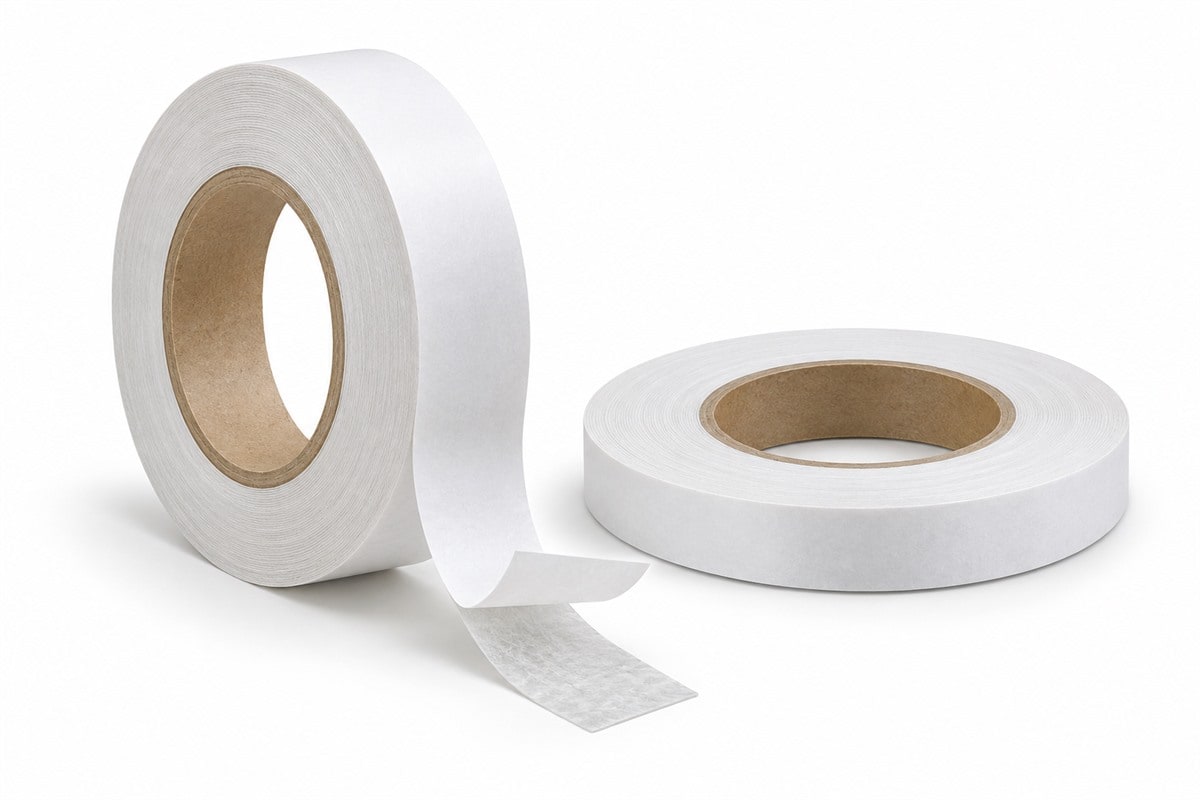
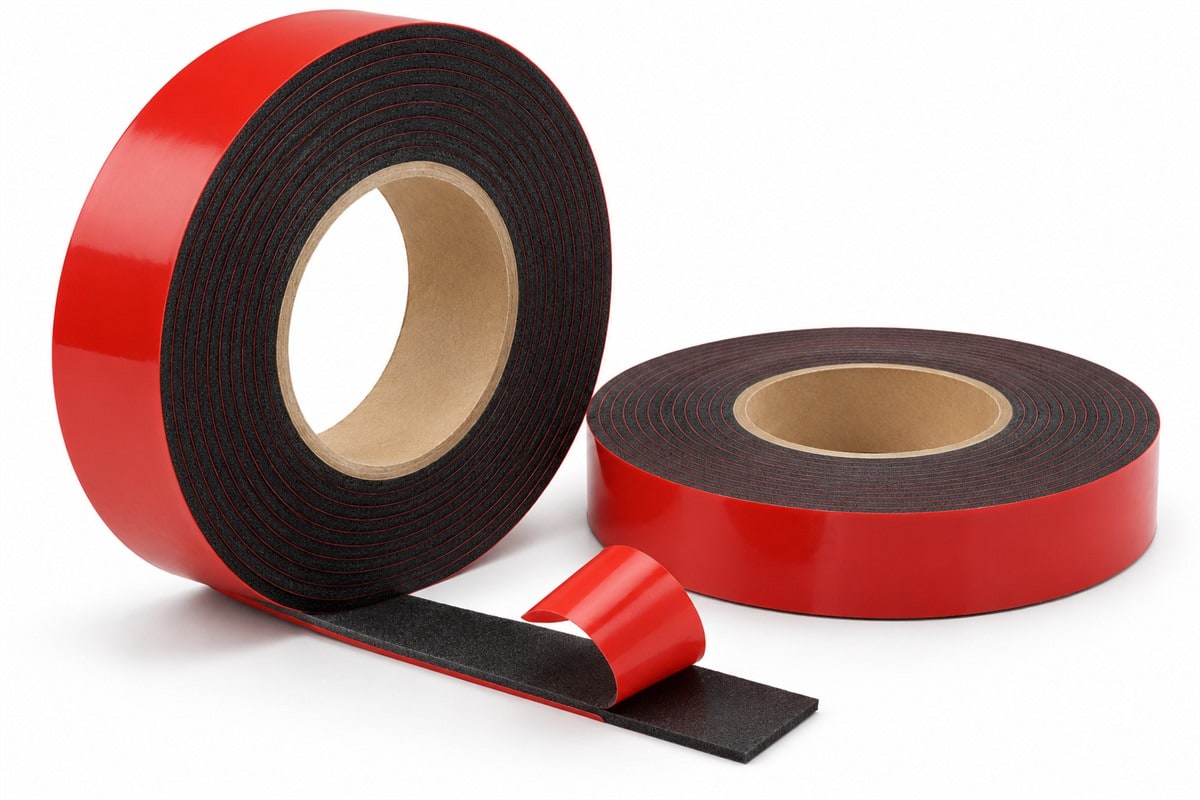
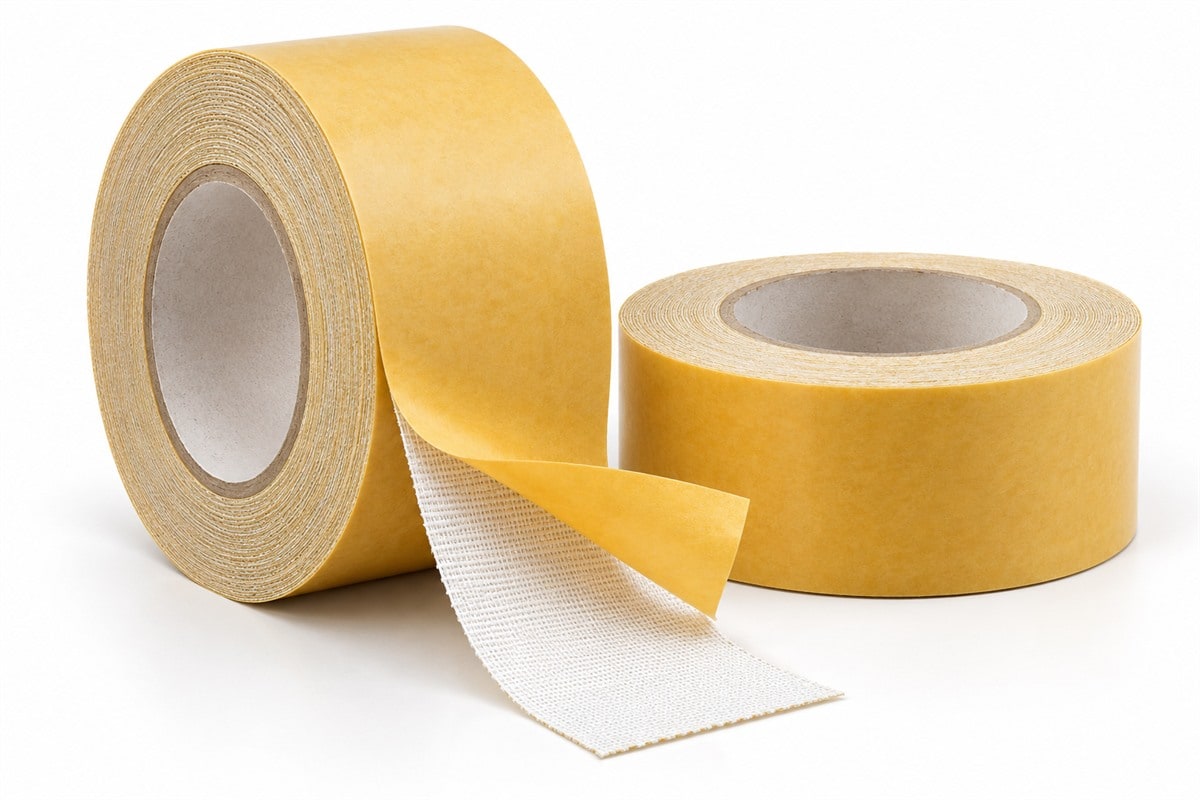
Thin film or tissue constructions can suit closely fitting assembly surfaces where added thickness is limited. PE foam offers conformability and cushioning for suitable joints with small surface variations. PE means polyethylene: an acrylic adhesive on PE foam does not make it acrylic foam. Cloth constructions are useful candidates for carpet or fabric fixing, with handling and removal assessed for the particular grade.
| Type | Typical task | Selection checks |
|---|---|---|
| Thin assembly | Nameplates, trim or material lamination with a low bond line | Surface contact, thickness allowance, adhesive compatibility and liner handling |
| PE foam | Display or trim mounting needing conformity and cushioning | Joint gap, compression, contact area, load direction and foam construction |
| Double-sided cloth | Carpet edges or fabric fixing | Carpet backing, floor finish, installation duration and removal outcome |
Identify both surfaces and their finishes
Record the material on each side separately. Painted metal is an adhesive interface with paint, not bare metal. For a carpet installation, identify both the carpet backing and the finished floor. Include texture, coatings, contamination and any surface treatment; a material name alone leaves important questions unanswered.
Ask for preparation instructions compatible with both finishes. Trial the cleaning method on a spare part or agreed inconspicuous area before bonding. Do not assume a cleaner, primer or abrasion step suitable for one substrate is acceptable for the other. Preserve the preparation details with the sample record.
Describe load geometry and the end of use
A weight alone cannot define a mounting requirement. Provide the bonded area, orientation, unsupported projection and expected movement. A projecting component can pull at an edge differently from a flush panel. Ask the supplier to review the actual joint rather than translating a reference product's laboratory rating into a universal weight capacity.
Decide whether the bond is permanent or must be removed. Specify installation duration and the required condition afterwards: acceptable residue, coating damage and cleanup method. For carpet, include traffic and cleaning exposure. A temporary installation does not automatically make its tape removable without damage.
Run a controlled comparison on representative parts
Agree acceptance criteria before comparing samples. Use the intended surfaces and joint geometry; record preparation, application pressure and waiting time according to the proposed grade's guidance. Compare candidates under consistent conditions and repeat the trial to check whether the result is reproducible.
Receipt inspection can check identity, dimensions and visible defects. Application validation addresses suitability under defined use conditions; inspection alone cannot provide it. Trials inform the responsible technical team's decision and do not authorize safety-critical use.
- Label each sample with its grade and batch reference where supplied.
- Record both surfaces, finishes, bonded area and application procedure.
- Define representative load, exposure and observation periods with the responsible team.
- Check edge lift, movement, foam splitting and changes to either surface.
- Trial removal after the intended dwell period; record residue, damage and cleanup effort.
Avoid shortcuts that hide the real requirement
A comparison is useful only when it explains why a candidate passed or failed. Keep unsuccessful samples and observations traceable, then change one relevant condition at a time when investigating a problem.
- Choosing by thickness alone: extra foam cannot replace adhesive compatibility.
- Testing only one adhesive face: the second interface can behave differently.
- Treating initial tack as evidence of performance throughout service.
- Assuming cloth guarantees clean removal or PE foam shares acrylic foam properties.
Frequently asked questions
Is foam tape always stronger than thin tape?
No. Thickness and carrier type do not rank every adhesive system. Compare the proposed grades on your surfaces and joint geometry, using agreed criteria for movement, exposure and the intended service period.
Can PE foam tape replace thin tape without changing the design?
Do not assume so. Added thickness and compression can change spacing, alignment and edge appearance. Check the assembled fit and contact area before deciding whether the substitution is acceptable.
Will double-sided cloth tape remove cleanly from a finished floor?
That depends on the grade, floor finish, exposure and dwell time. Request removal guidance and trial the actual carpet-backing and floor combination through the intended installation period before accepting it.
Request a quote around the joint
Contact Maiwenluo to discuss your application, specifications and sample requirements. Send the application details below so an inquiry can identify candidate constructions and the documentation needed for evaluation.
- Both materials, finishes and representative photos or samples.
- Joint drawing, bonded area and permitted thickness.
- Load direction, exposure and intended service duration.
- Removal criteria and sample acceptance requirements.
- Roll dimensions or cut format, requested quantity and destination.
References
Technical references describe general selection principles and the cited manufacturers' products, not verified specifications for a Maiwenluo order.