

Warning Tape
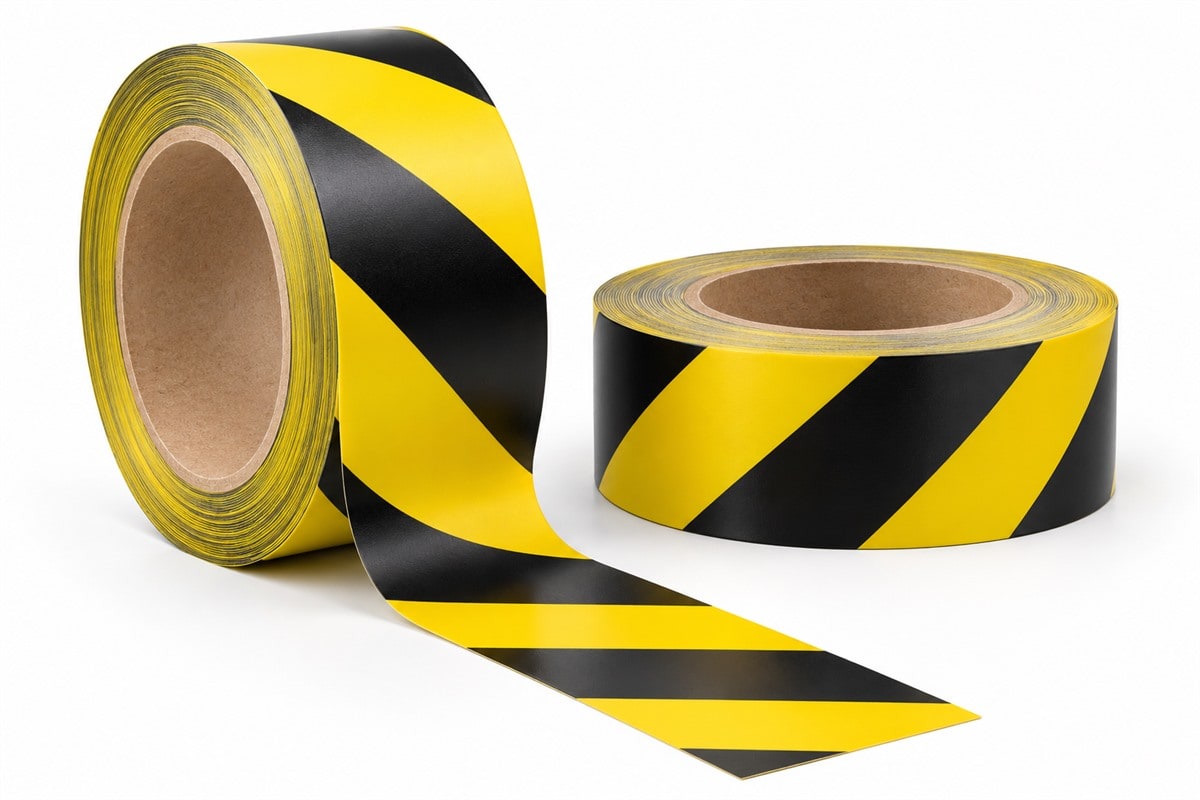
Use as a candidate for visual boundaries and caution markings. Confirm the selected version is adhesive and intended for floor use; a warning color or pattern does not establish traction or vehicle-traffic suitability.
Make routes and work zones easier to recognize, and assess traction separately. Select marking or anti-slip tape around the floor finish, daily traffic, cleaning routine, and likely contamination.

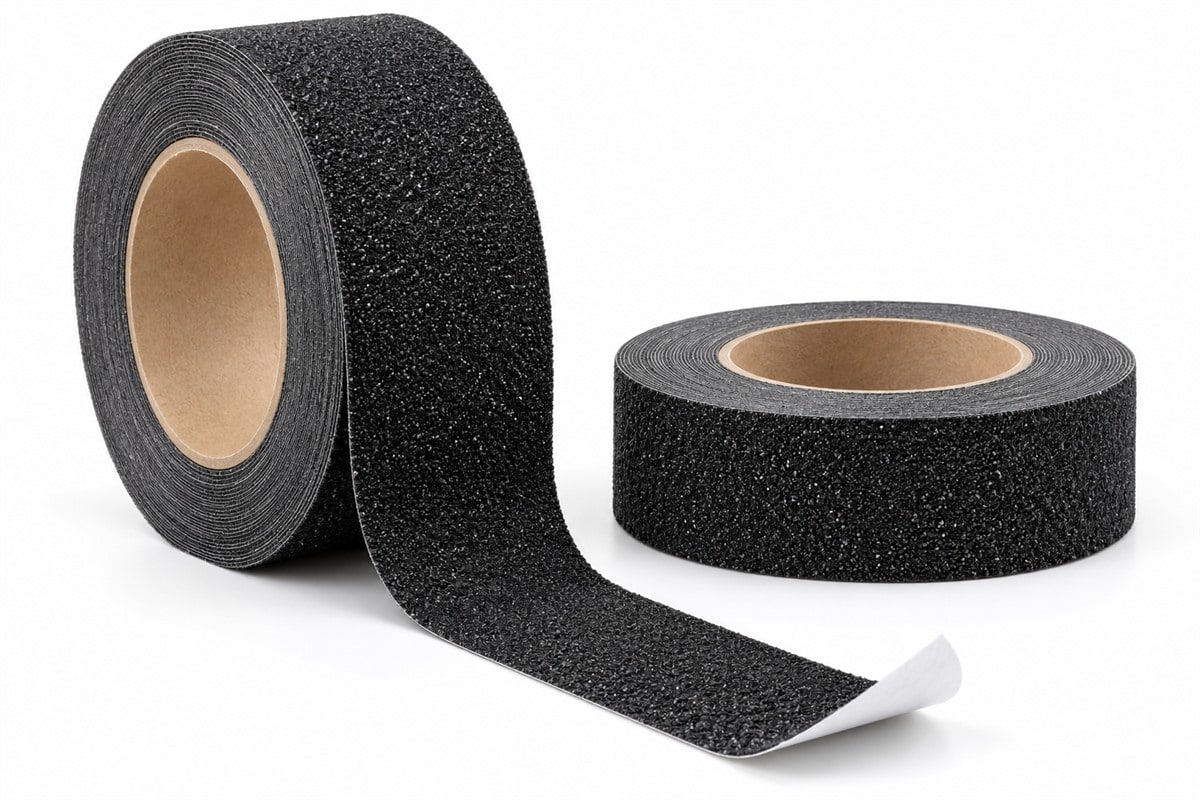
Floor marking tape identifies routes, queues, and equipment bays. Anti-slip tape provides a textured surface where additional grip is needed. Assess these functions separately: color alone does not provide slip resistance, and a textured strip needs checks for footwear, moisture, and cleaning.
Maiwenluo offers industrial tapes and helps you discuss product specifications and application requirements. Start with a sound, smooth floor that the selected adhesive can bond to. Describe coatings, joints, and wheel movements before choosing a sample; a successful trial on one tile does not establish suitability across an entire site.
Define pedestrian routes, waiting positions, or warehouse walkway edges with a consistent marking scheme. Check visibility against the floor and nearby signs. At busy turns and crossings, trial the tape under representative foot traffic and trolley movement, then inspect corners for wear or lifting.
Outline storage positions and equipment clearances where staff need a readable boundary. Marking does not physically separate vehicles from people. Pallet dragging, pivoting wheels, and cleaning machines can stress the edges, so evaluate those actions before extending a layout across the working area.
Consider anti-slip tape where a defined walking surface needs additional traction. Match the texture to footwear and cleaning access. Water, oil, or dust can alter performance; address their source and drainage, and inspect a trial after realistic use instead of assuming a rough surface remains effective.
Compare the task with the actual substrate and exposure. These starting points support sample selection; they do not certify a floor or replace the site's safety assessment.
| Task | Contact materials | Candidate tape | Conditions to confirm |
|---|---|---|---|
| Visible route or queue line | Sound, smooth tile or compatible coated concrete | Floor marking / warning tape | Color contrast, adhesion after cleaning, foot traffic, edge lifting, and removal on a hidden patch. |
| Equipment or staging boundary | Smooth industrial floor with a firmly bonded finish | Floor marking / warning tape | Turning wheels, pallet contact, cleaning-machine passes, line wear, and finish damage during removal. |
| Local traction on steps or ramps | Sound tread or ramp surface compatible with the adhesive | Anti-slip tape | Footwear, contaminants, texture cleanability, edge adhesion, and performance under the expected wet or dry conditions. |
These categories are starting points, not a performance guarantee. Maiwenluo offers industrial tapes and helps you discuss product specifications and application requirements. Confirm the exact specification and validate samples in your application before ordering.
Use as a candidate for visual boundaries and caution markings. Confirm the selected version is adhesive and intended for floor use; a warning color or pattern does not establish traction or vehicle-traffic suitability.
Evaluate for localized grip on compatible walking surfaces. Ask for the selected grade's use conditions and test its texture, adhesion, and cleaning response with representative footwear and contamination.
Not automatically. Marking communicates a boundary; slip resistance depends on the surface construction and conditions of use. Where both functions matter, evaluate each explicitly. Neither color nor texture alone guarantees safety compliance or prevents every fall.
Do not assume reliable adhesion. Loose concrete, grout recesses, wax, oil, or failing coatings can interrupt contact. Identify the finish and follow the selected product's preparation instructions, including any compatible primer requirement, before conducting a small trial.
Look for lifted ends, worn markings, damaged texture, and trapped dirt after traffic and cleaning. Replace damaged sections and investigate repeated failure. Check removal on the actual finish; clean removal cannot be promised for every coating or service duration.
Send a floor photo and a short description of the route or traction problem. Contact Maiwenluo to discuss your application, specifications and sample requirements.