

How to Choose Carton Sealing Tape
Match carton sealing tape to the box surface, packed load, sealing conditions and equipment. Compare samples on filled cartons, then use the purchasing checklist and trial results to prepare your quotation request.
In this guide
Start with the actual carton surface
Ask for the carton specification and samples from the production supply. Record recycled fiber content if known, surface coating, printed areas and visible dust. Tape contacts the outer liner, so a clean blank panel may behave differently from the printed seam you actually seal.
Recycled content is a screening question, not a verdict on carton quality. Compare candidates on representative cartons from each supplier. Include any coated or heavily printed area crossed by the tape; a result on plain board cannot establish compatibility with that finish.
Look beyond the packed weight
Record packed weight, carton dimensions and how the contents sit inside. Bulging flaps, unsupported panels and shifting contents create different closure demands. Check whether the flaps meet naturally before choosing a tape to hold them together.
Review box size and internal packing when flaps spring open. Compare the proposed tape width and closure pattern on the complete package. Reinforcement may warrant a separate evaluation; neither a thicker backing nor a strong strip can compensate for every packaging defect.
Separate sealing conditions from storage conditions
Application temperature describes conditions when the bond is made. Storage and transport temperatures describe later exposure. Record the carton and tape conditions at the packing station as well as the subsequent route, including humidity and possible condensation.
Ask for both application and service guidance for the proposed grade. A tape intended to remain bonded in cold storage is not automatically suitable for sealing a cold carton. Follow supplier conditioning instructions and reproduce the actual sequence in the trial.
Match the adhesive system to the equipment
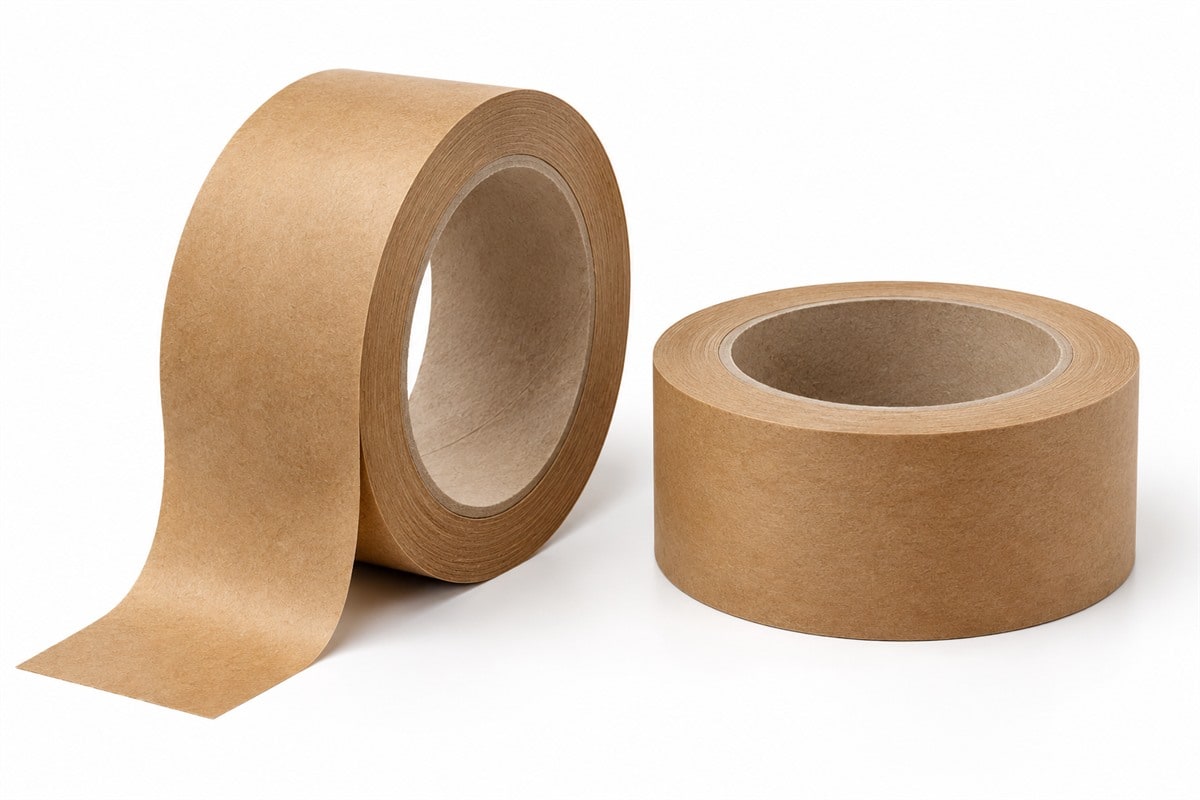
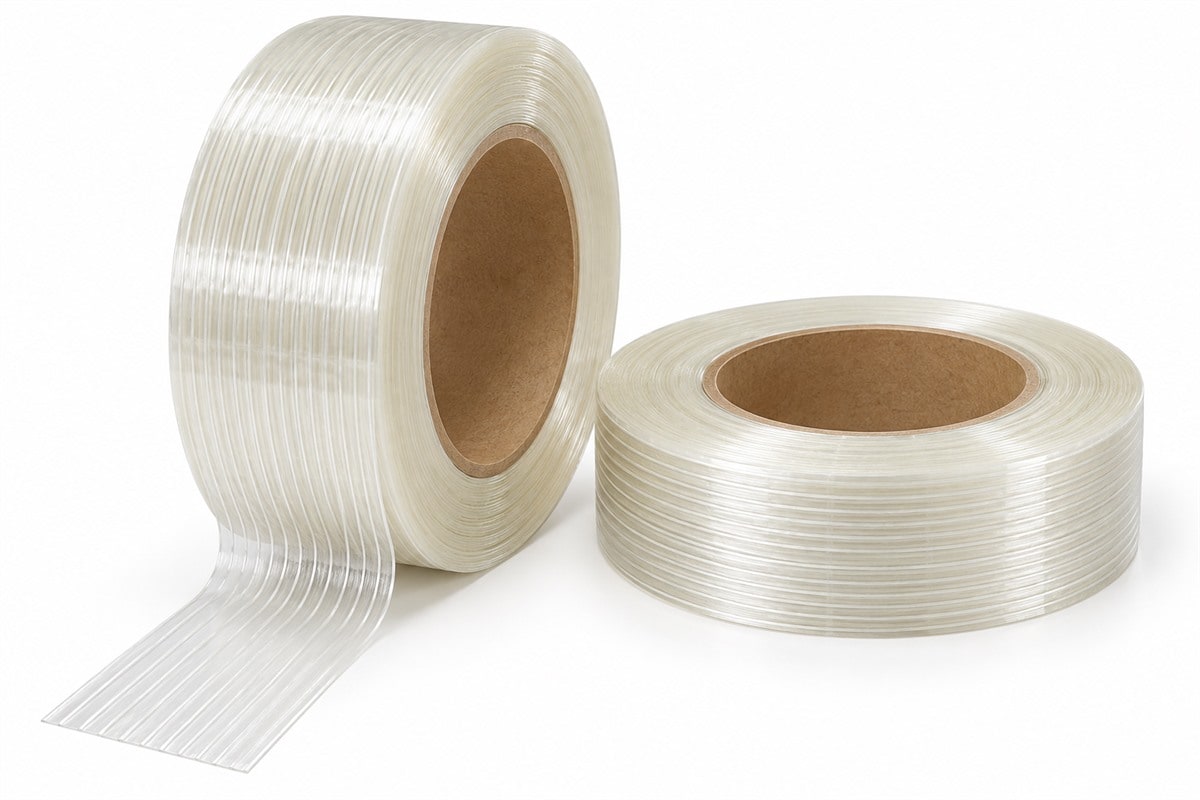
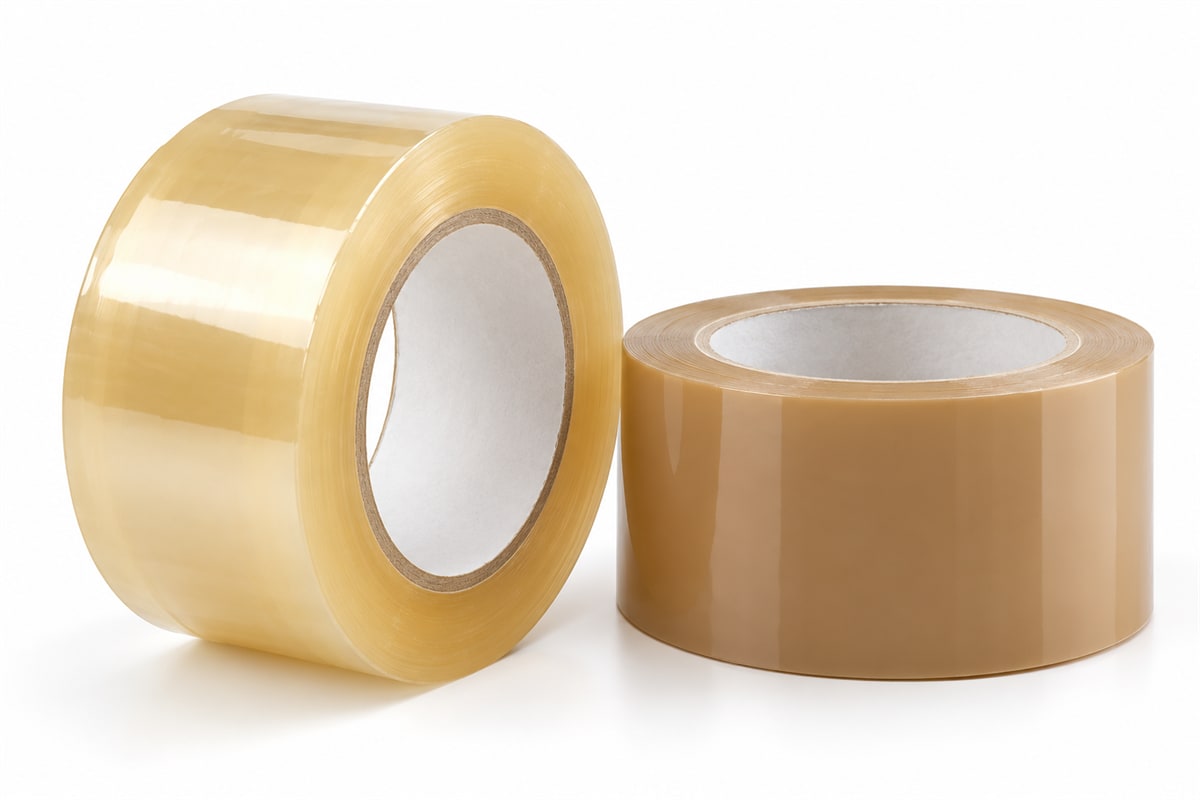
Film-backed pressure-sensitive tape bonds through contact and applied pressure. Paper tape may also be pressure-sensitive, or it may require water activation. Confirm the adhesive system explicitly: a paper appearance does not identify the application method.
For manual or machine sealing, check tape width, core size, roll diameter, unwind behavior, cutting and pressing contact. Test machine rolls at the intended operating speed. Water-activated tape needs compatible moistening equipment; follow its instructions for water delivery, maintenance and handling time. Include these steps when comparing packing workflows.
Use the scenario to choose the next check
Shortlist constructions against the job. These checks guide sample selection; they do not assign a universal winning tape.
| Scenario | Decision to investigate | Check before ordering |
|---|---|---|
| Recycled or coated cartons | Adhesive compatibility with the actual outer liner | Compare adhesion at the production sealing position |
| Heavy or bulging packages | Carton fit, closure pattern and possible reinforcement | Assess filled cartons after representative handling |
| Cold packing or later cold storage | Application suitability versus service exposure | Record temperatures and the order of exposure |
| Changing from film to paper tape | Pressure-sensitive versus water-activated paper | Confirm dispenser compatibility and trial the full workflow |
Run a controlled trial on filled cartons
Agree the trial scope and acceptance criteria with the person responsible for packaging. Use actual contents or an agreed representative load, production cartons and the intended equipment. Keep the closure pattern consistent when comparing tape grades; record any deliberate process change.
Include the expected storage sequence and a controlled transit trial over a representative route. Photograph closures before and after, including failures. Inspection records visible condition; validation evaluates evidence against agreed requirements. One intact delivery or an immediate hand peel does not validate every shipment.
- Identify carton and tape batches, load and operator.
- Record application conditions, equipment settings and conditioning time.
- Check tape contact, seam coverage and both end tabs.
- After storage and transit, record lifting, splitting, flap opening and carton damage.
- Review failures, change one factor and repeat before release decisions.
Avoid shortcuts that hide the cause
When a seal fails, preserve the carton and settings record. Diagnose the failure before increasing tape consumption.
- Choosing thickness alone: compare adhesion, backing behavior and the complete closure.
- Testing empty boxes only: include load, flap tension and internal packing.
- Adding layers over a poor seal: investigate surface contact and equipment setup first.
- Approving every carton supplier from one sample: repeat checks when board, finish or process changes.
Frequently asked questions
Is thicker carton sealing tape always better?
No. Thickness alone does not establish adhesion to your carton or compatibility with the dispenser. Compare candidate grades on the same filled package and inspect where failures occur before changing the specification.
Can paper tape run in our current dispenser?
It depends on the adhesive system and dispenser. Pressure-sensitive paper and water-activated paper require different application arrangements. Confirm the exact roll format and equipment requirements, then trial loading, cutting and sealing.
Does a successful incoming inspection approve a shipping application?
No. Incoming inspection checks the delivery against agreed purchasing criteria. Application validation needs evidence from representative filled-carton trials and review by the responsible packaging team before the proposed use is approved.
Prepare a carton sealing tape quotation request
Contact Maiwenluo to discuss your application, specifications and sample requirements. Confirm the proposed construction and sample plan for your order. The manufacturer references support general guidance, not Maiwenluo product performance or factory ownership.
- Carton specification, finish, supplier variation and sample photos.
- Packed weight, dimensions, flap condition and closure pattern.
- Sealing, storage and transport conditions, including exposure sequence.
- Dispenser model, roll dimensions and operating speed if applicable.
- Required quantity, destination, trial criteria and relevant failure records.
References
Technical references describe general selection principles and the cited manufacturers' products, not verified specifications for a Maiwenluo order.